Google Ads vs Facebook Ads: Which One Works Best for Your Business in 2026?
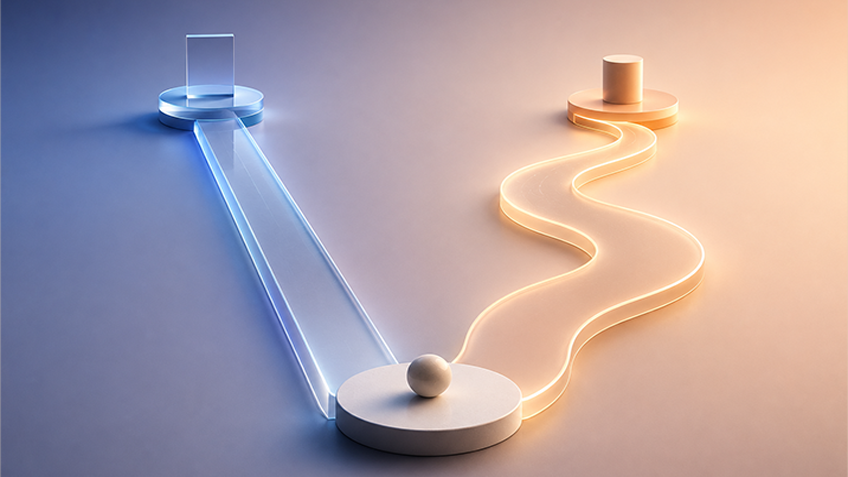
Digital advertising in 2026 is more competitive and data-driven than ever. Businesses of all sizes now depend on paid campaigns to generate leads, drive sales, and build brand visibility. In almost every marketing discussion, one question consistently comes up: Google Ads vs Facebook Ads.
Both platforms are powerful. Both leverage advanced AI and automation. And both can deliver strong business growth when used strategically. Yet, many business owners still struggle to understand which platform best fits their goals, audience, and budget.
In this guide, we break down the key differences, strengths, costs, and ideal use cases of each platform, helping you decide whether to choose one or combine both for maximum impact.
Understanding the Core Difference Between Google Ads & Facebook Ads
Before comparing performance, cost, or ROI, it’s important to understand how each platform works at its core.
Google Ads → Intent-Based Advertising
People use Google when they are actively searching for something—a service, a product, a solution, or specific information. This means users already have high intent and are closer to taking action.
When your ad appears at this moment, you’re meeting potential customers exactly when they’re looking for what you offer.
Example:
Someone searching for “digital marketing company in Coimbatore” or “best social media marketing company Coimbatore” already has a clear need and is far more likely to click, enquire, or convert.
Facebook Ads → Interest-Based Advertising
Facebook (and Instagram) shows ads to users based on their interests, demographics, behavior, and online activity. Unlike search platforms, users are not actively looking for a product or service, but the right ad can capture attention while they scroll.
Example:
Someone casually browsing Instagram may come across an ad for a branding package from an advertising agency in Coimbatore, even if they weren’t actively searching for one at that moment.
Google Ads in 2026: Why It Remains Powerful
In 2026, Google Ads has become smarter than ever, powered by stronger AI, deeper automation, and more accurate intent signals. For many businesses, it continues to be the most reliable platform for generating quick, high-quality leads.
a) High Intent = Higher Conversions
When users search terms like “best CA near me,” “plumber in Peelamedu,” or “Google Ads vs Facebook Ads,” they already know what they want. This strong intent typically results in:
- Higher click-through rates
- Better enquiry and purchase rates
- Faster conversions compared to cold audiences
b) Ideal for Local & Service-Based Businesses
Hospitals, coaching centres, interior designers, real estate agents, and digital marketing companies in Coimbatore can attract ready-to-buy customers through keyword-based campaigns and Google Maps visibility.
c) Strong AI Capabilities (Performance Max)
Performance Max campaigns leverage Google’s AI to display ads across Search, YouTube, Display, Discover, Maps, and Gmail—without the need to manage each placement manually.
d) Clear ROI & Lead Tracking
With proper conversion tracking and analytics, businesses can easily measure cost per lead and ROAS, making Google Ads ideal for performance-driven campaigns.
Facebook Ads in 2026: What Makes It Effective
In 2026, Facebook and Instagram remain powerful platforms—especially for brands focused on visibility, engagement, and storytelling. Meta’s AI now predicts user behaviour more accurately, improving targeting precision.
a) Strong for Brand Awareness
Facebook and Instagram are visual-first platforms, making them ideal for promoting:
- Fashion, beauty, and lifestyle products
- Real estate projects
- Interior, décor, and local brands
High-quality images, reels, and carousel ads help brands stand out quickly.
b) Advanced Interest & Behaviour Targeting
Advertisers can target users based on interests, life events, page interactions, video views, and more. This allows a social media marketing company in Coimbatore or an advertising agency in Coimbatore to build highly specific audience segments.
c) Cost-Effective Reach (Lower CPM)
Facebook Ads are excellent for large-scale reach and remarketing, often offering a lower cost per 1,000 impressions compared to search platforms.
d) Powerful Retargeting Options
Using Meta Pixel and Conversions API, businesses can retarget:
- Website visitors
- Add-to-cart users
- Video and reel viewers
This helps turn awareness into conversions over time.
Google Ads vs Facebook Ads: Quick Comparison (2026)
| Feature | Google Ads (Search & PMax) | Facebook Ads (Meta: FB + Instagram) |
|---|---|---|
| User Intent | High – users search with a clear need | Low to Medium – users are browsing |
| Best For | Leads, services, local & high-intent buyers | Brand awareness, ecommerce, visual brands |
| Cost Pattern | Higher CPC, higher-quality traffic | Lower CPC/CPM, broader reach |
| Targeting Strength | Keywords, location, AI-based intent | Interests, behaviour, custom audiences |
| Conversion Speed | Faster for service-based offers | Medium – works best with funnels |
Which Platform Is Better for Your Business in 2026?
There is no one-size-fits-all answer. The choice between Google Ads and Facebook Ads depends on your business goals, industry, and budget.
Choose Google Ads if you:
- Run a service-based or local business
- Need high-intent leads and fast enquiries
- Want users already searching for your solution
- Depend on calls, form fills, or direct purchases
- Require clear ROI and lead tracking
Choose Facebook Ads if you:
- Want to build brand awareness and visibility
- Sell visually appealing products or lifestyle services
- Are a new or growing brand
- Want to increase engagement and website traffic
- Need strong retargeting for warm audiences
Best Strategy: Use Both Together
Use Facebook and Instagram to build interest, awareness, and recall. Use Google Ads to capture ready-to-buy search traffic. Together, they create a powerful full-funnel advertising system.
Cost Trends in 2026
Google Ads
- CPC has increased in competitive industries
- Smarter AI bidding improves lead quality
- Well-optimised campaigns still deliver strong ROAS
Facebook Ads
- CPM remains relatively stable and cost-efficient
- Reels, video, and story placements deliver excellent reach
- Retargeting remains one of the most cost-effective strategies
Final Verdict: Is There a Clear Winner?
There is no absolute winner. Google Ads excels at high-intent leads and fast conversions, while Facebook Ads dominates awareness, storytelling, and remarketing. In 2026, the most effective approach is a hybrid strategy that leverages both platforms.
How Two Stones Helps You Choose the Right Ad Strategy
At Two Stones, we don’t push platforms blindly, we design strategies based on what your business actually needs. As a performance-focused digital marketing company in Coimbatore and a full-service advertising agency, we:
- Analyse your industry, audience, and objectives
- Build data-driven Google and Meta strategies
- Create high-performing ad creatives
- Optimise campaigns for leads, sales, and ROAS with transparent reporting
Stop guessing and start scaling with smarter ad strategies.
Conclusion
In 2026, the core difference between Google Ads and Facebook Ads comes down to intent vs interest. Facebook Ads helps you reach and nurture the right audience visually, while Google Ads captures users who are actively searching and ready to act. Instead of asking “Which platform is better?”, the smarter question is “Which platform fits my current goal?”
For most growing brands, Google drives conversions, and Facebook powers awareness and retargeting, together building a scalable digital growth engine.