How It Works & How Creators and Brands Can Grow
Introduction
If you’ve ever wondered why some Instagram posts explode with reach while others disappear without a trace, the answer lies in the Instagram algorithm. With over two billion active users worldwide, Instagram is no longer just a social networking app it has evolved into a powerful marketing engine, discovery platform, and community hub.
In 2026, Instagram’s algorithm is deeply powered by artificial intelligence. It decides what users see across Feed, Stories, Reels, and Explore based on behavior, interests, and engagement patterns. This means your reach, engagement, and conversions depend heavily on how well your content aligns with algorithmic signals.
This blog explains how the Instagram algorithm works in 2026, what has changed over the years, and what creators and brands must do to stay visible and relevant.
Instagram Algorithm 2026 – Quick Summary
- Saves, shares, and watch time matter more than likes
- AI-suggested content dominates Feed and Explore
- Original content is prioritized over reposts
- Reels drive reach, while carousels generate the most saves
- Consistency and meaningful engagement outperform viral spikes
Why the Instagram Algorithm Matters in 2026
The Instagram algorithm is not a single system. It consists of multiple ranking models working independently across Feed, Stories, Reels, and Explore. Each system evaluates signals such as user interest, content relevance, interaction history, recency, and time spent viewing a post.
In 2026, algorithm updates focus heavily on personalization and fairness. Smaller creators are given more discovery opportunities, and original content is rewarded over recycled or aggregator posts. Engagement quality now outweighs vanity metrics like likes.
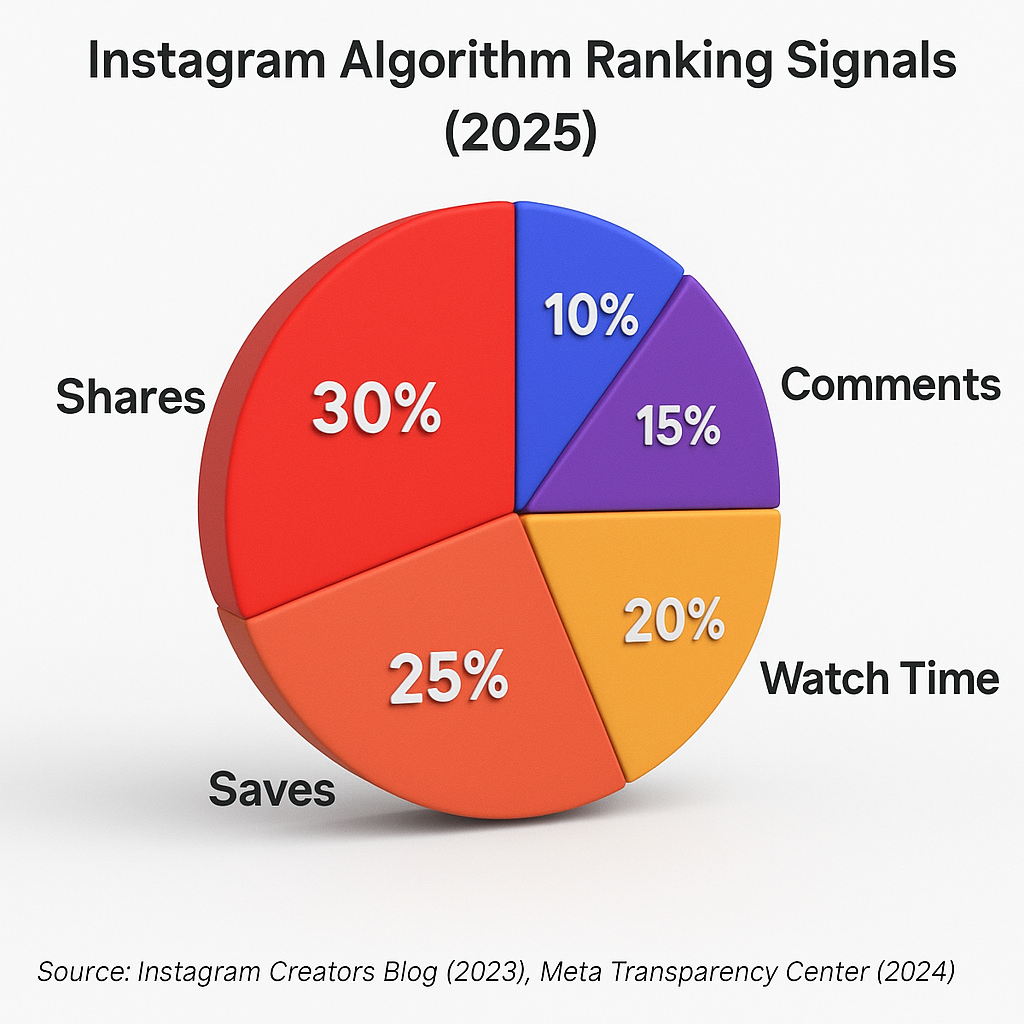
According to Meta’s 2023 transparency update, Reels generate 2x more engagement than photo posts, while Carousels lead to the highest save rates.
Timeline: How the Instagram Algorithm Evolved (2022–2026)
- 2022: Shift from chronological feed to interest-based ranking
- 2023: Aggressive push toward Reels and video-first discovery
- 2024: Strong emphasis on saves, shares, and watch time
- 2025: AI-driven personalization becomes dominant
- 2026: Majority of content shown is AI-recommended, not just follower-based
How Does the Instagram Algorithm Work in 2026?
Feed Algorithm
The Feed prioritizes posts from accounts users interact with frequently. Signals include saves, comments, profile visits, and time spent reading captions. Content relevance and relationship strength are the deciding factors.
Reels Algorithm
Reels are optimized for discovery. The algorithm measures watch time, replays, completion rate, shares, and originality. Reels with strong hooks in the first three seconds perform significantly better.
Explore Algorithm
Explore focuses on trending, fresh content. It favors posts with high engagement velocity and relevance to a user’s past activity, even from accounts they don’t follow.
Stories Algorithm
Stories prioritize consistency and interaction. Polls, questions, replies, and sticker interactions improve story ranking and visibility.


What Type of Content Does the Instagram Algorithm Prefer in 2026?
1. Content Designed for Saves and Shares
Posts that users save or share signal long-term value. Educational carousels, checklists, infographics, and step-by-step guides perform exceptionally well.
2. High Watch-Time Content
Reels and Stories with strong storytelling, captions, and hooks increase retention. The longer users stay, the more the algorithm promotes the content.
3. Original and Human-Led Content
Instagram prioritizes original content over reposts. Behind-the-scenes videos, brand stories, user-generated content, and authentic moments outperform overly polished or automated posts.
4. Consistent Posting Patterns
Consistency signals reliability. Posting regularly, even without viral results, helps maintain steady reach and algorithm trust.
5. Active Audience Engagement
Replies to comments, DMs, and interactive story elements boost relationship signals, increasing visibility across feeds.
Common Myths About the Instagram Algorithm
Myth: Shadowbans exist
Reality: Instagram has confirmed there is no shadowban, but violating guidelines can reduce reach.
Myth: Only video content works
Reality: Photos and carousels still perform well when optimized for saves and engagement.
Myth: Posting at exact times guarantees reach
Reality: Timing helps slightly, but content quality and interaction signals matter far more.
Instagram Algorithm Predictions for 2027 and Beyond
AI-First Feed Expansion
More than half of user feeds may consist of AI-recommended content, reducing dependence on follower count.
Rise of AR and Immersive Content
Interactive posts, augmented reality filters, and mixed-reality shopping experiences are expected to grow.
Creator Monetization Evolution
Improved revenue-sharing models and subscriptions will support micro-creators and niche communities.
Algorithm Transparency
Public-facing performance dashboards may be introduced to improve trust and clarity for creators.
AI Tools for Creators
Auto-captioning, content suggestions, and text-to-video tools will become standard creator features.
Instagram Algorithm Checklist for 2026
- Create original, human-first content
- Hook viewers within the first three seconds
- Design posts for saves and shares
- Maintain a consistent posting schedule
- Engage genuinely with your audience
Final Takeaway
From 2022 to 2026, Instagram’s algorithm has shifted from simple engagement metrics to deeper behavioral signals like watch time, saves, and shares. AI-driven personalization now plays a major role in content discovery, making originality, consistency, and meaningful engagement essential.
Creators and brands that adapt their strategy to these signals won’t just survive algorithm changes — they’ll grow with them.